Claim Free Estimates for Painting Services
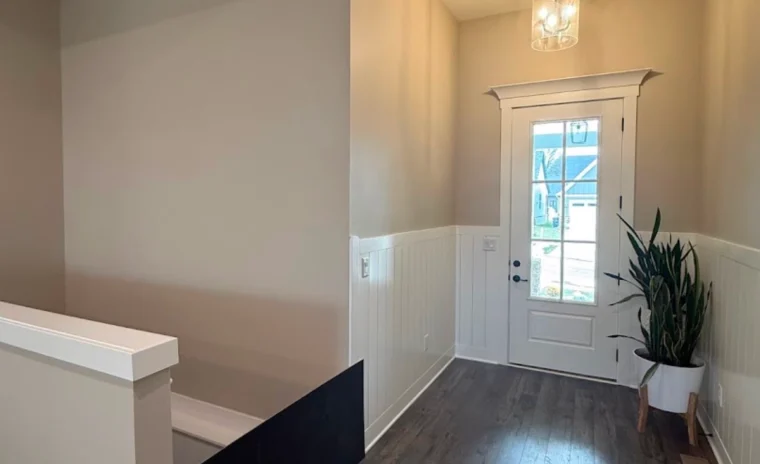
What Factors Drive Professional House Painting Costs
Understanding what drives the cost of a professional paint job helps you evaluate estimates and avoid surprises. Several core factors determine what you will pay, and each plays a different role depending on your project scope and home conditions.
Material quality sits at the top of the list. Premium paints with superior coverage, durability, and fade resistance cost significantly more per gallon than builder-grade options. A gallon of high-quality exterior paint can range from $50 to $80, while economy brands may cost $25 to $35. Multiply that across an entire home, and the difference adds up quickly. Premium paints often require fewer coats and last years longer, which can offset the upfront cost over time.
Labor complexity matters just as much. Painting a simple, single-story ranch takes far less time and risk than a multi-story Victorian with intricate trim, steep rooflines, and hard-to-reach gables. Height, architectural details, and surface accessibility all increase labor hours and the need for specialized equipment like scaffolding or lifts. Projects requiring ladders above second-story height typically see hourly rates increase due to safety and insurance considerations.
Surface preparation is the hidden variable that separates a mediocre paint job from one that lasts. Homes with peeling paint, rotted wood, mildew, or damaged siding require extensive prep before the first coat goes on. Pressure washing, scraping, sanding, priming, and minor carpentry repairs can add days to a project timeline. In the LaGrange and Louisville area, humidity and seasonal weather patterns accelerate paint deterioration, particularly on south- and west-facing walls that absorb the most sun and moisture. Homes that have not been painted in a decade often need significant prep work to address weather-related damage.
Regional differences also influence pricing. Labor rates in Kentucky tend to run lower than coastal metro areas, but demand surges in spring and early fall when weather conditions are ideal. Booking a painter during peak season in April or May may cost 10 to 15 percent more than scheduling the same job in late winter. Local material costs, permit requirements, and the competitive landscape also affect final pricing.
Average Cost Ranges in 2026
Knowing the typical price ranges for different project sizes gives you a baseline for evaluating quotes. Costs vary by region, but the following ranges reflect current industry standards for the Louisville and LaGrange market in 2026.
For interior painting, a small project covering one to two rooms (roughly 400 to 800 square feet of wall space) typically costs between $800 and $1,800. This assumes standard ceiling heights, minimal prep work, and basic trim painting. A medium-sized interior project, such as painting the main living areas of a home (1,200 to 2,000 square feet), generally falls between $2,500 and $5,000. Larger whole-home interior projects exceeding 2,500 square feet can range from $6,000 to $10,000 or more, depending on the number of colors, trim detail, and ceiling treatments.
Exterior painting carries higher price tags due to surface preparation, weather considerations, and the need for specialized equipment. A small exterior job on a modest ranch or cottage (1,000 to 1,500 square feet of paintable surface) typically runs $3,000 to $5,500. Medium-sized homes with 1,800 to 2,500 square feet of exterior surface often cost between $5,500 and $9,000. Large homes or those with complex architecture, multiple stories, or extensive trim work can easily exceed $10,000, with some projects reaching $15,000 or more.
These ranges include labor, materials, and basic surface preparation. They do not account for extensive repairs, specialty finishes, or unusual site conditions. Prices also fluctuate based on the number of coats applied. Most professional jobs include one coat of primer (where needed) and two finish coats, but homes with dramatic color changes or porous surfaces may require additional coverage.
Regional factors play a role as well. The Kentucky market tends to fall in the middle of national pricing, lower than high-cost urban centers but higher than rural areas with less competition. Understanding these ranges helps you spot lowball bids that may cut corners and overpriced estimates that do not align with local standards.
Hidden Costs and Budget Traps
The initial estimate you receive rarely tells the full story. Several common expenses catch homeowners off guard, turning what seemed like a straightforward project into a budget challenge.
Surface preparation tops the list of hidden costs. Many estimates assume walls and siding are in good condition, but once work begins, painters often uncover peeling paint, water damage, or rotted wood that must be addressed before painting can proceed. Repairing damaged siding, replacing trim boards, or fixing drywall cracks can add hundreds to thousands of dollars to the final bill. If your home has not been painted in more than ten years, assume additional prep work will be necessary.
Primer is another frequent surprise. While some estimates include primer, others quote finish coats only. Painting over bare wood, stained surfaces, or dramatic color changes without primer leads to poor coverage and shortened paint life. A quality primer coat adds $0.50 to $1.50 per square foot but dramatically improves the final result and longevity.
Specialty finishes and custom colors also inflate costs. Accent walls, faux finishes, or high-gloss trim require additional labor and materials. Custom-mixed colors may cost more per gallon and carry minimum order quantities. If you want trim, walls, and ceilings in different sheens or colors, expect labor costs to rise as painters spend more time taping, cutting in, and switching products.
Exterior projects bring their own surprises. Power washing is often quoted separately, adding $200 to $600 depending on home size. Caulking and sealing gaps around windows, doors, and trim is critical for weatherproofing but may not appear in every estimate. Removing old caulk and applying fresh beads takes time and material, adding to the total.
Finally, access challenges drive up costs. Homes with tall peaks, second-story dormers, or landscaping that blocks access require scaffolding, lifts, or extended ladders. Equipment rental and the extra time to set up and work safely can add 15 to 25 percent to labor costs. Ask upfront whether your estimate includes all necessary equipment and access solutions, or if those will be billed separately.
How to Estimate Your Own Project
Having a rough idea of your project cost before you call a painter helps you set a realistic budget and evaluate quotes. While a professional estimate will always be more accurate, you can calculate a ballpark figure with a few measurements and some basic math.
Start by measuring the square footage of the surfaces to be painted. For interior walls, measure the perimeter of each room and multiply by the ceiling height. A room that is 12 feet by 15 feet with 8-foot ceilings has a perimeter of 54 feet and wall area of 432 square feet. Subtract roughly 20 square feet for each standard door and 15 square feet for each window. Add up all the rooms to get your total wall area. For ceilings, simply multiply length by width.
Exterior measurement works similarly. Measure the perimeter of your home and multiply by the height from foundation to roofline. Add gable areas by treating each as a triangle (base times height divided by two). Do not forget soffits, fascia, and trim, which add paintable surface. Most single-story homes have 1,200 to 1,800 square feet of paintable exterior, while two-story homes range from 2,000 to 3,500 square feet.
Once you have square footage, apply a cost-per-square-foot estimate. Interior painting typically runs $2 to $6 per square foot, depending on prep work, paint quality, and trim detail. Exterior painting ranges from $2 to $5 per square foot. Use the higher end of the range if your home has significant prep needs, complex trim, or requires premium paint.
Labor typically accounts for 70 to 80 percent of the total cost, with materials making up the remainder. A gallon of quality paint covers roughly 350 to 400 square feet per coat, so divide your square footage by 350 and multiply by the cost per gallon to estimate material costs. Add 10 to 15 percent for primer, caulk, tape, and other supplies.
This rough estimate gives you a starting point. When you receive professional quotes, you can compare them against your own calculation to identify outliers and ask informed questions. For a detailed, accurate estimate tailored to your home, consider scheduling a consultation with a professional painting team like those available through local painting services.
Getting an Accurate Quote: What to Ask
An accurate, detailed estimate protects you from surprises and sets clear expectations. Not all quotes are created equal, and knowing what to ask helps you compare bids fairly and choose a painter who will deliver quality work at a fair price.
Start by asking whether the estimate includes all prep work. Clarify what surface preparation is included: power washing, scraping, sanding, caulking, priming, and minor repairs. If prep work is quoted separately or listed as an allowance, ask for a detailed breakdown so you understand what is covered and what may cost extra. A low bid that skips critical prep steps is not a bargain.
Confirm the paint brand, type, and number of coats included. Premium paints cost more but perform better and last longer. Ask whether primer is included and where it will be applied. Make sure the estimate specifies the number of finish coats. A single-coat job may look acceptable initially but will fade and fail much sooner than a proper two-coat application.
Inquire about the timeline and crew size. A realistic schedule accounts for weather delays, drying time, and thorough prep. Be cautious of painters who promise to finish an exterior job in two days when similar projects typically take five to seven. Rushed work often sacrifices quality.
Ask about cleanup and protection. Will the crew cover landscaping, flooring, and furniture? Who handles disposal of old paint and materials? A professional estimate should address these details, not leave them as afterthoughts.
Request references or photos of recent work. Seeing completed projects gives you a sense of quality and attention to detail. A painter who stands behind their work will gladly share examples.
Finally, confirm insurance and licensing. Professional painters carry liability insurance and workers’ compensation coverage to protect you from accidents and property damage. Verify credentials before signing a contract.
A detailed, transparent estimate signals a professional who takes pride in their work. When you work with experienced professionals who provide thorough quotes and stand behind their results, you gain confidence that your investment will deliver lasting value. If you are ready to get a clear, honest estimate for your home, connect with a qualified painting team who understands local conditions and delivers reliable results in the LaGrange area.